Like so many kids from Meriden, Connecticut, and every town in between, Al Niemiec had ambitious dreams of a Major League Baseball career. His dream became reality in 1934 when he was called up to the American League. That same year, Niemiec crossed paths with his idol, Babe Ruth, even snagging one of Ruth’s hotshot liners at second base.
Niemiec’s story is intertwined with the trade that delivered Ted Williams to the Red Sox, and yet Niemiec is best remembered for his groundbreaking legal battle against organized baseball, securing work rights for World War II veterans.
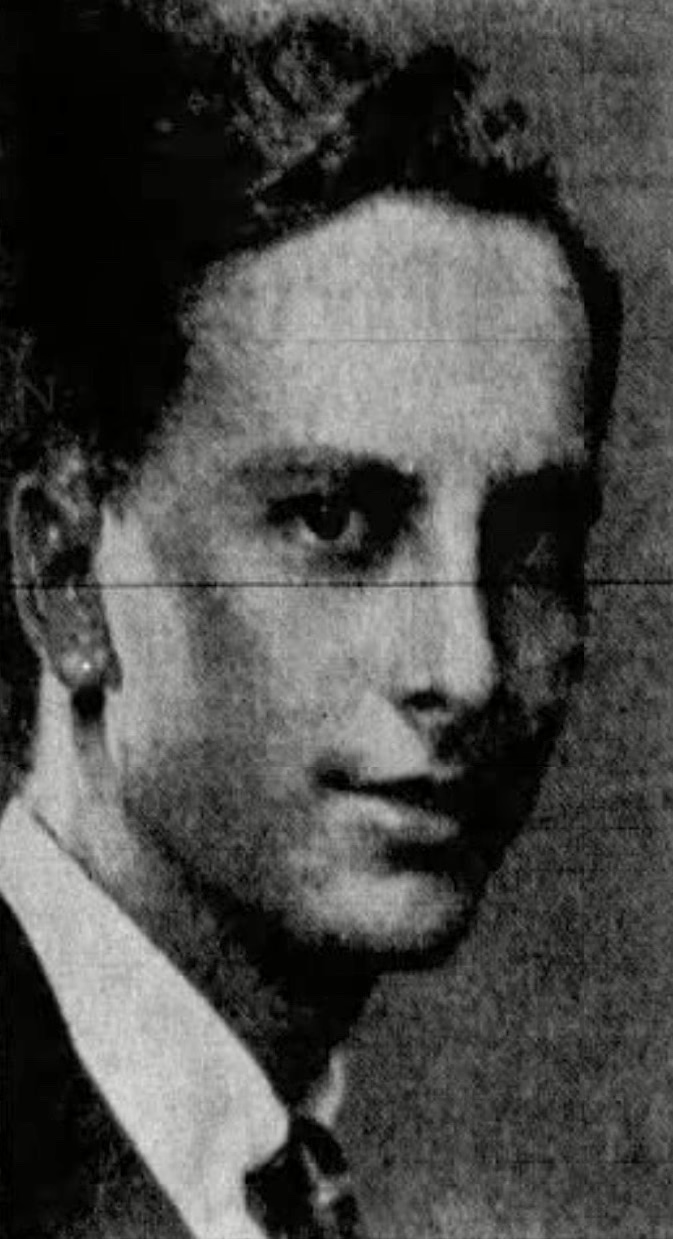
Born May 18, 1911, Alfred Joseph Niemiec grew up on Meriden’s Ridgefield Street. His father was a city firefighter and his mother was a homemaker. Niemiec attended Meriden High School and graduated from St. Thomas Seminary (Bloomfield, CT).
He became an All-New England third baseman at College of the Holy Cross (Worcester, MA) under head coach Jack Barry, a fellow Meriden native. In the summertime, Niemiec appeared in the Middlesex County League for Meriden’s St. Stanislaus club. At the end of his senior year at Holy Cross, Niemiec was voted, “best all ’round man” on campus by his peers.
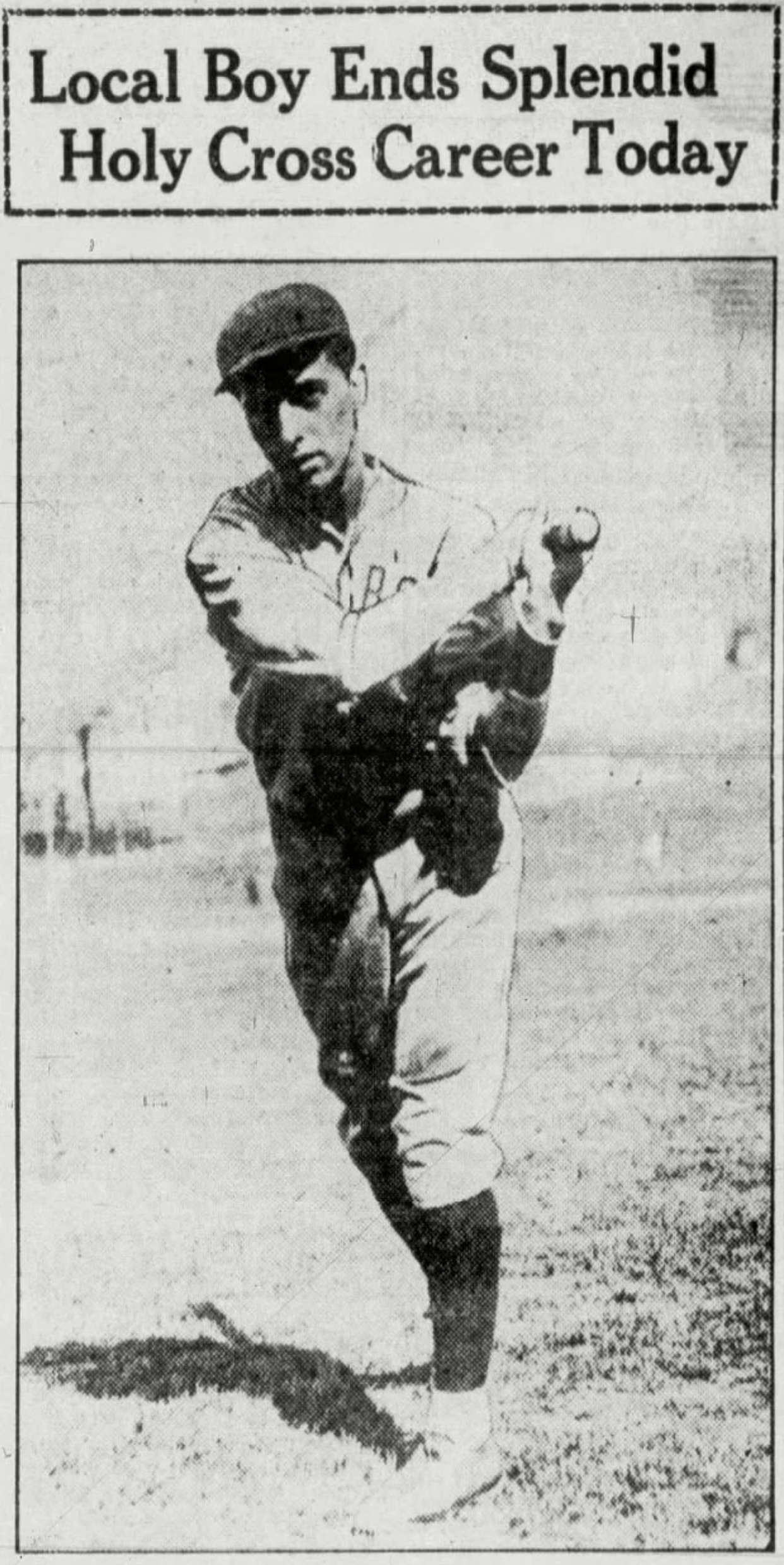
He went on to impress in the minor leagues. Niemiec was signed by the Red Sox and assigned to the Reading Red Sox in the New York-Penn League. He appeared in 62 games and hit for a .306 batting average. He credited his manager, Nemo Leibold, for turning him into a true professional.
During offseasons, he coached Meriden’s St. Stanislaus Basketball Club as part of the State Polish League. Niemiec then proved to be durable after 137 appearances for the Kansas City Blues.
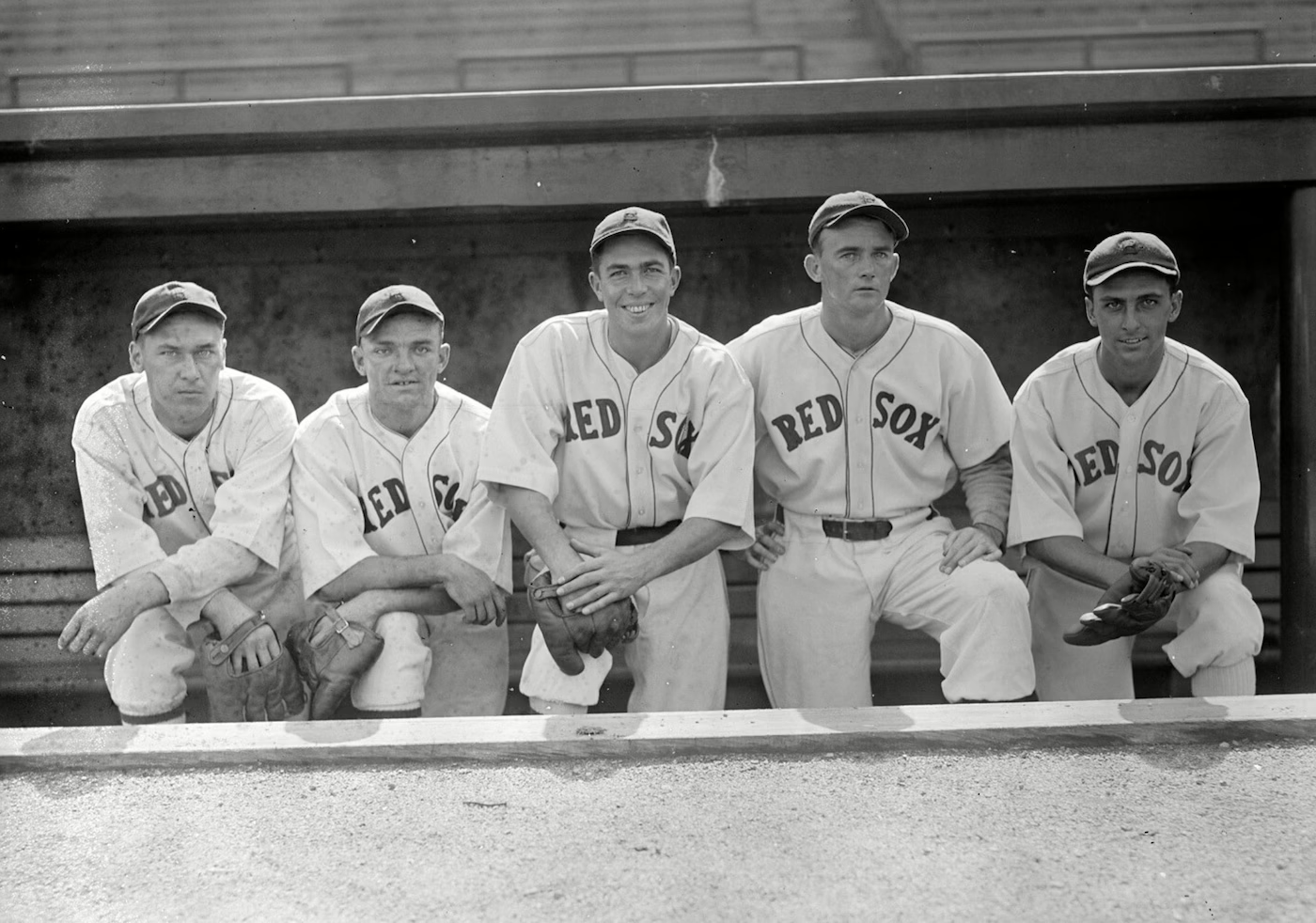
His flashy fielding and quick legs earned him a late-season call-up to Boston. Niemiec made his Major League debut at Fenway Park on September 19, 1934, smacking two hits with a run batted in against St. Louis. He went 3-for-3 with another RBI the next day.
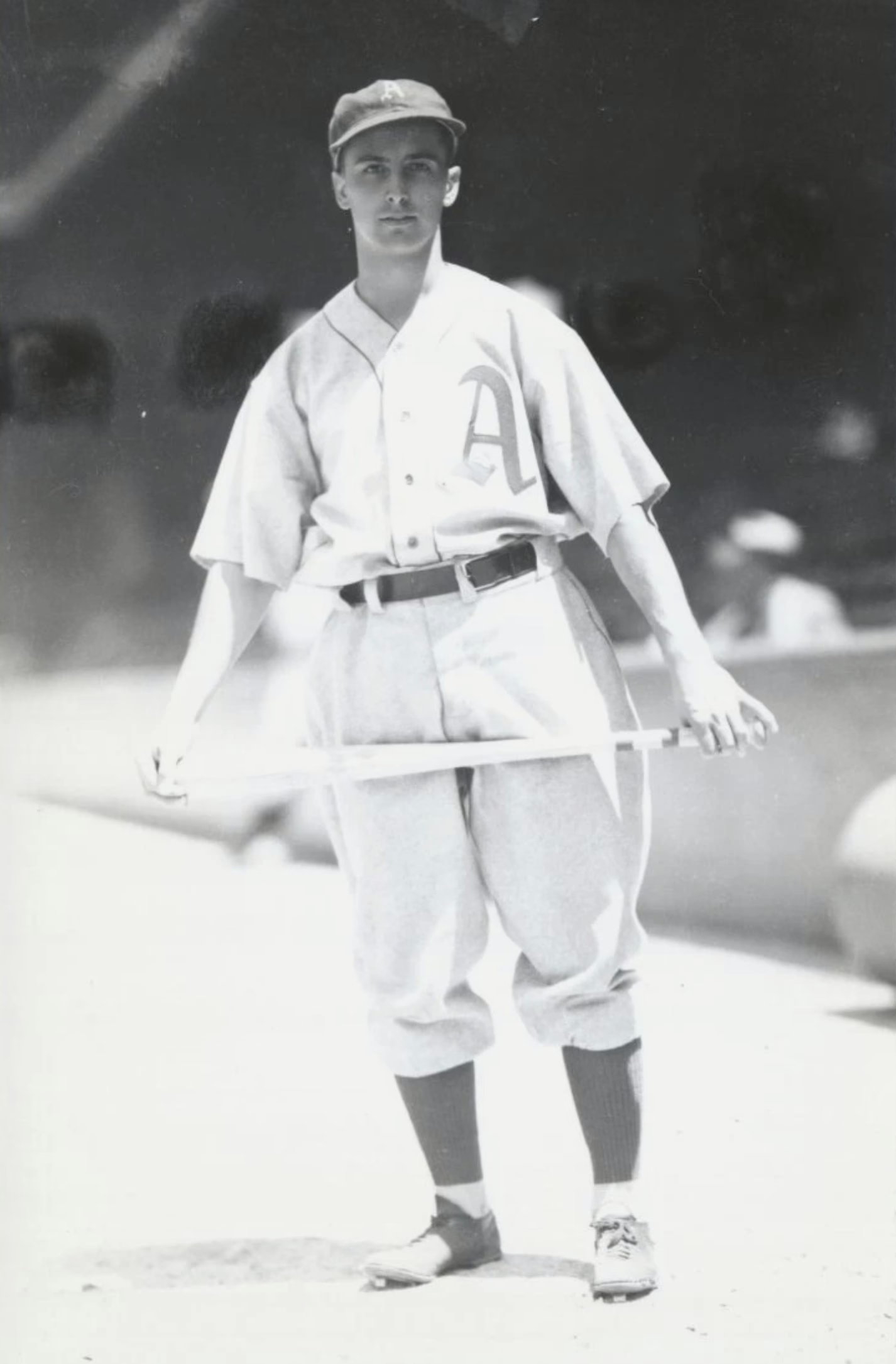
Unfortunately, his hot start fizzled, and his bat was inconsistent. Though he committed no errors for the Red Sox, he was shipped off to upstate New York to help the Syracuse Chiefs clinch an International League pennant.
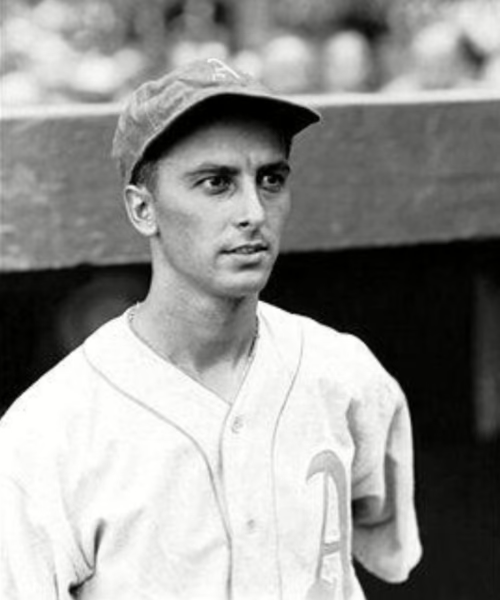
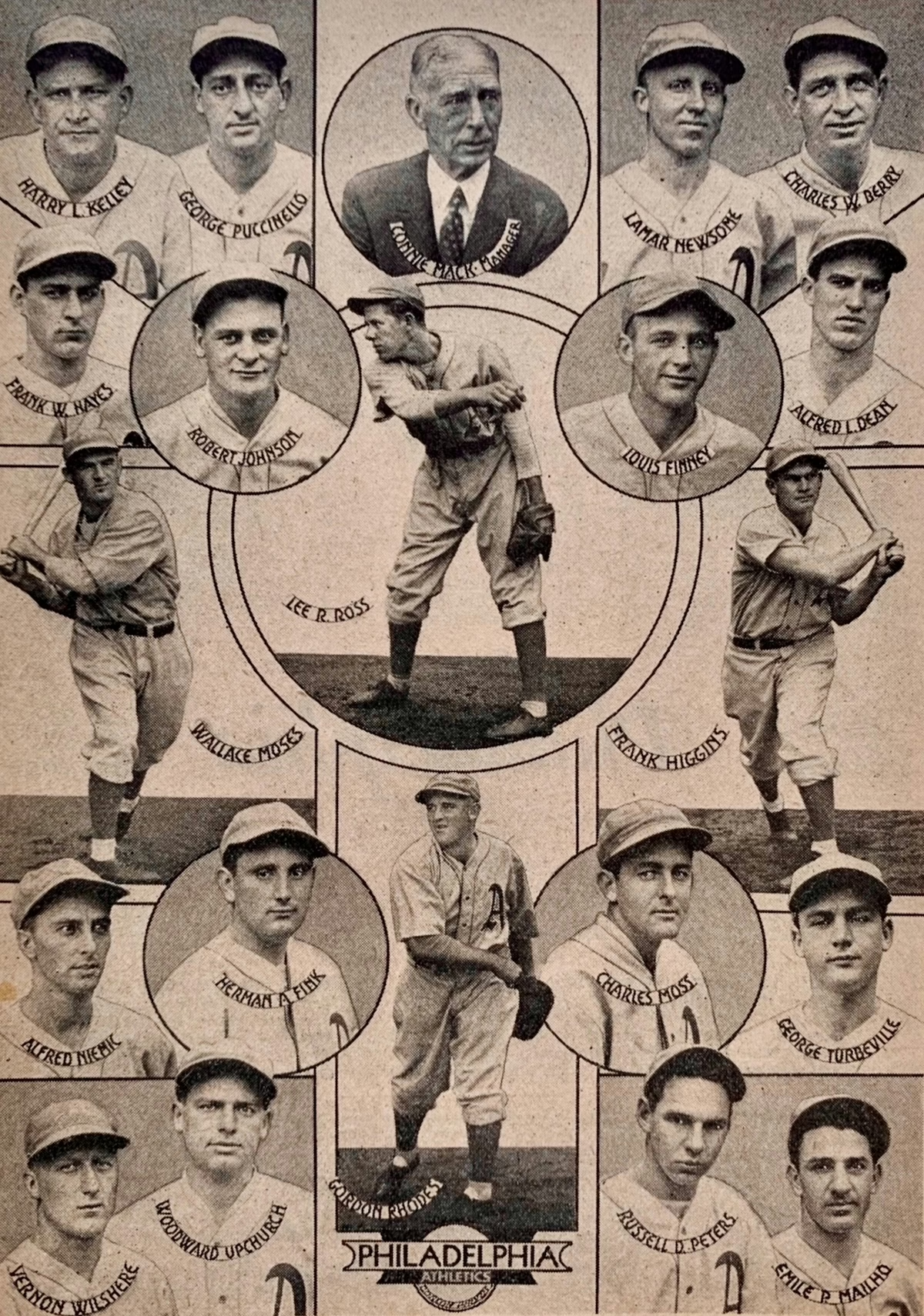
Manager Connie Mack and the Philadelphia Athletics saw potential in the 25 year old Niemiec. The A’s traded for him, along with $75,000 in cash in a deal involving Doc Cramer and Eric McNair. Mack had started his baseball career in Niemiec’s hometown of Meriden more than five decades prior to the trade.
Niemiec played 69 games for the Mackmen in 1936, alongside another Connecticut native, Pete Naktenis. After posting a dismal .197 batting average, Niemiec was plunged back down to the minors.
Although he captured another minor league title with the Little Rock Travelers, the Red Sox decided to trade Niemiec. On December 7, 1937, the Associated Press reported: “Beating other clubs to the deal, the Boston Red Sox today obtained Ted Williams, promising ‘kid’ outfielder, from San Diego of the Pacific Coast league for two players and cash.”
The two players were infielder Al Niemiec and outfielder Dom Dallessandro. Williams began his campaign as the game’s greatest hitter, while Niemiec found himself as far from home as ever.
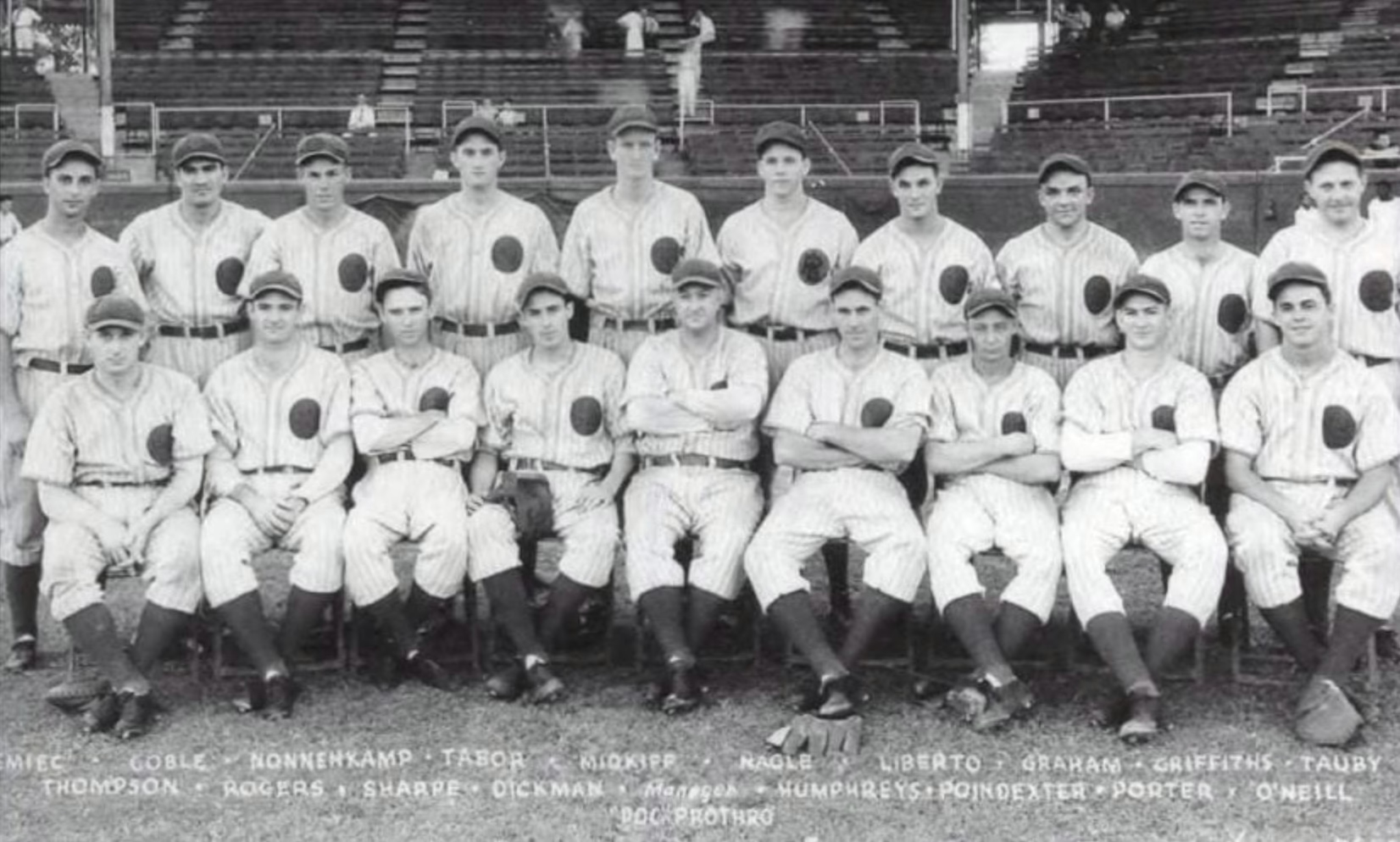
Niemiec made the most of the Pacific Coast League. He shined as a defensive wiz for the San Diego Padres and the Seattle Rainiers. Niemiec anchored second base for the Rainiers and won three straight PCL titles. He often led the league in fielding percentage while sporting a respectable batting average.
Then, a more serious duty called. Alfred Niemiec enlisted in the United States Navy and rose to the rank of Lieutenant during World War II.
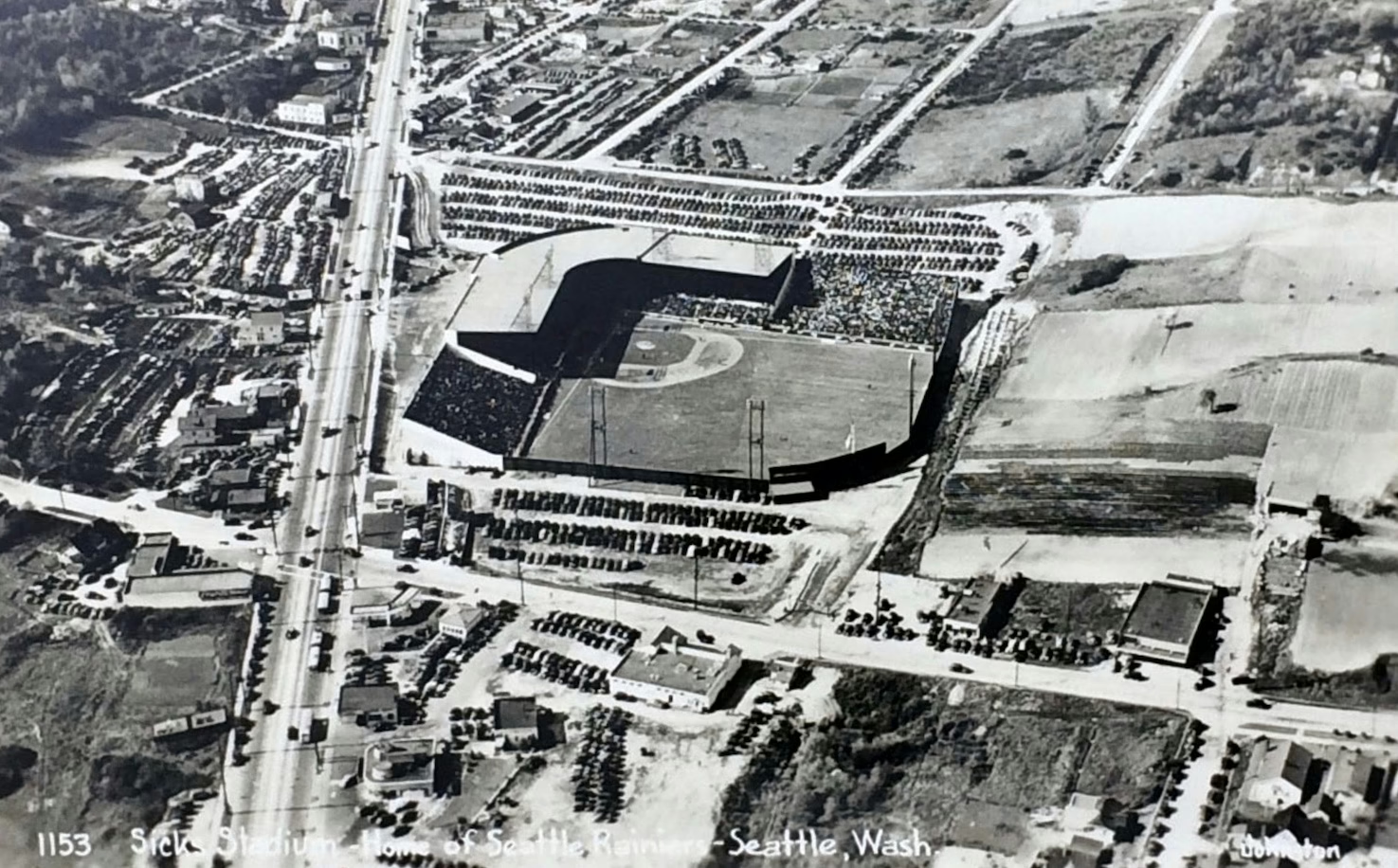
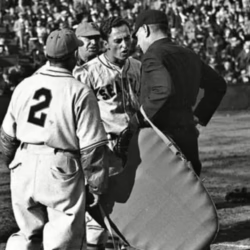
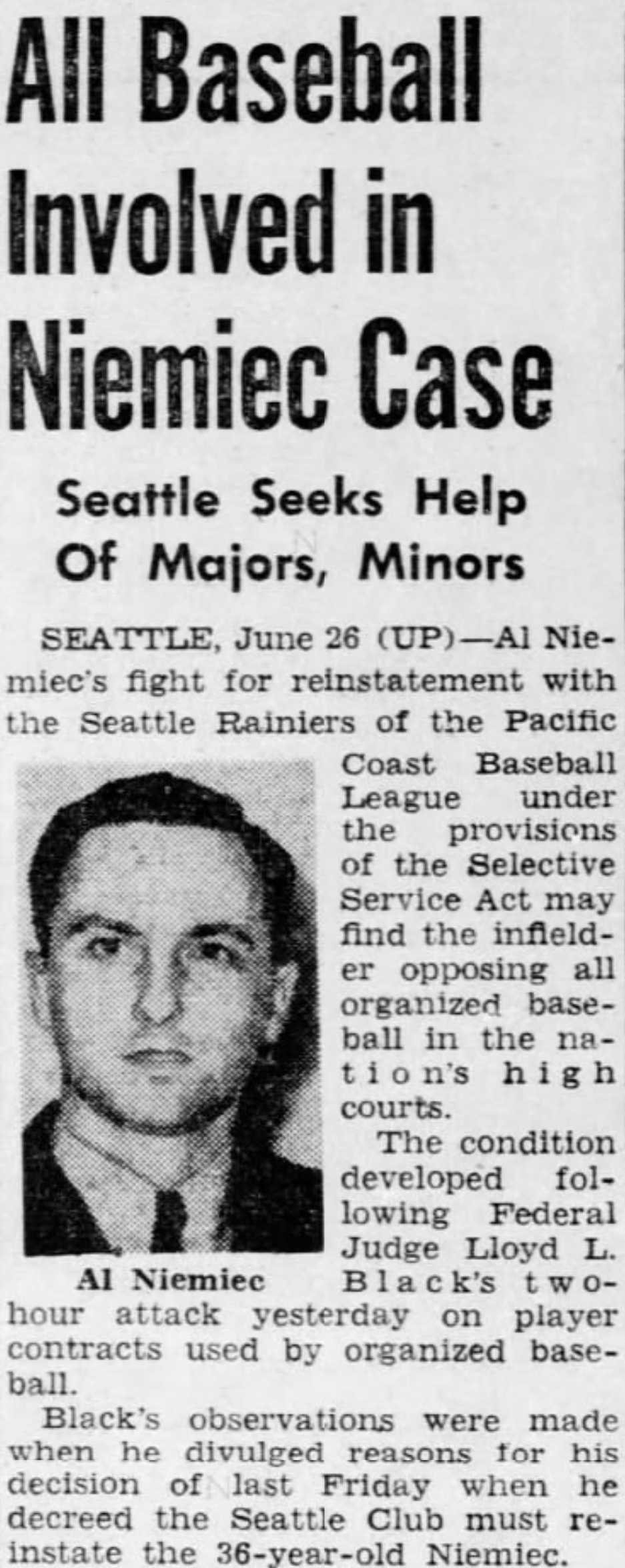
When he returned to reclaim his spot with the Rainiers in 1946, Niemiec was 35 years of age. In just 11 games played, Seattle released him on grounds that he was too old for second base.
Unfazed, Niemiec fought back, citing the Selective Training and Service Act of 1940, known as the G.I. Bill, which guaranteed veterans their old jobs for at least a trial period. The Rainiers sent him a dismissal letter which praised his loyalty but cut him anyway.
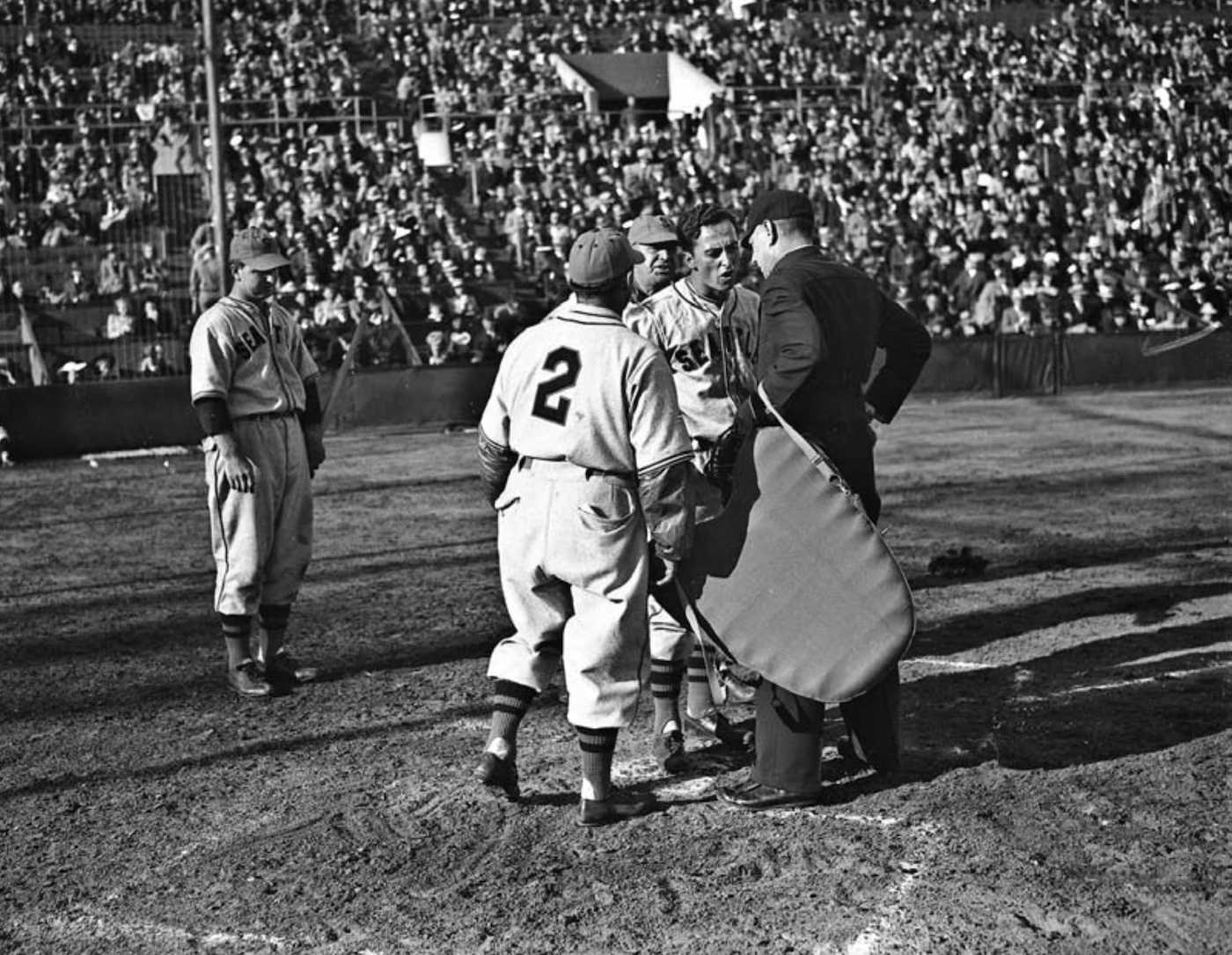
Niemiec took his case to the Selective Service System, an independent agency of the United States government which slammed the Rainiers for violating the law. Backed by Major League Baseball, the team dug in, arguing Niemiec’s skills had faded.
The case landed before District Court Judge Lloyd Black in June 1946. His ruling stated that the team’s old age claim was a “hunch,” not cause, and their contract did not override the law.
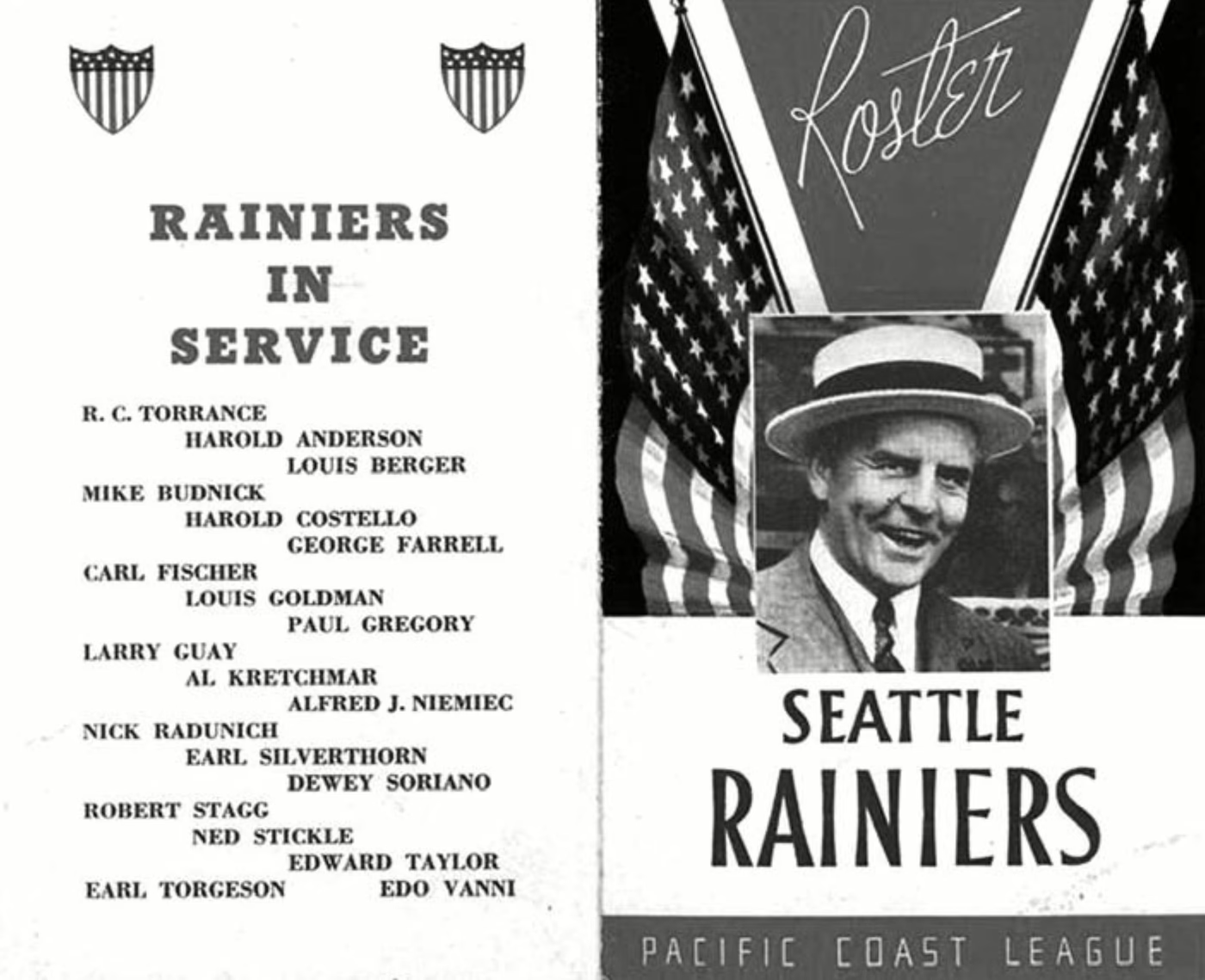
Judge Black ordered the Rainiers to pay Niemiec $2,884.50—his contract value minus earnings from a brief stint with Providence and from a side-job as a beer salesman for a brewery, owned by Rainiers proprietor, Emil Sick.
Niemiec’s win in court rippled, and other veterans like John Yelovic and Larry Guay secured similar payments. His stand challenged baseball’s iron grip on players, and achieved a victory for veterans’ rights amid a game slow to change.
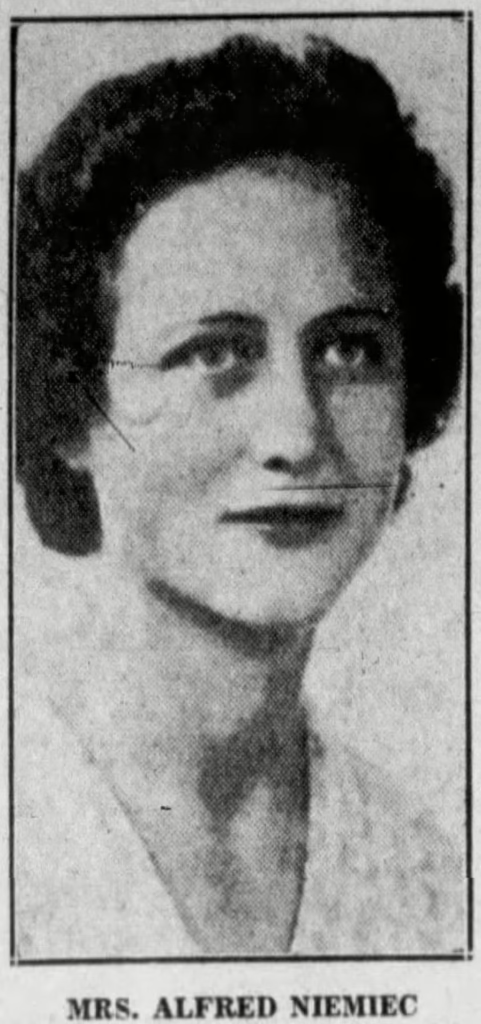
Niemiec’s last job in baseball took place in Great Falls, Montana, as General Manager. He resigned after one season and returned home to Meriden. He married Tessie Nowakowski of 82 Gale Street, Meriden, and they raised four children. An athlete in her own right, Tessie was a locally known basketball player for the Meriden Insilcos.
Al Niemiec loved his family, fishing, golfing and gardening at his home at 85 Gale Street (where Ceppa Field’s parking lot is located nowadays). The family eventually moved to the West Coast, and many years later, on October 29, 1995, Al Niemiec died at 84 in Kirkland, Washington.
His legacy lives on today through his historic legal fight for veterans’ rights, but also through his surviving family members—some still in Meriden.
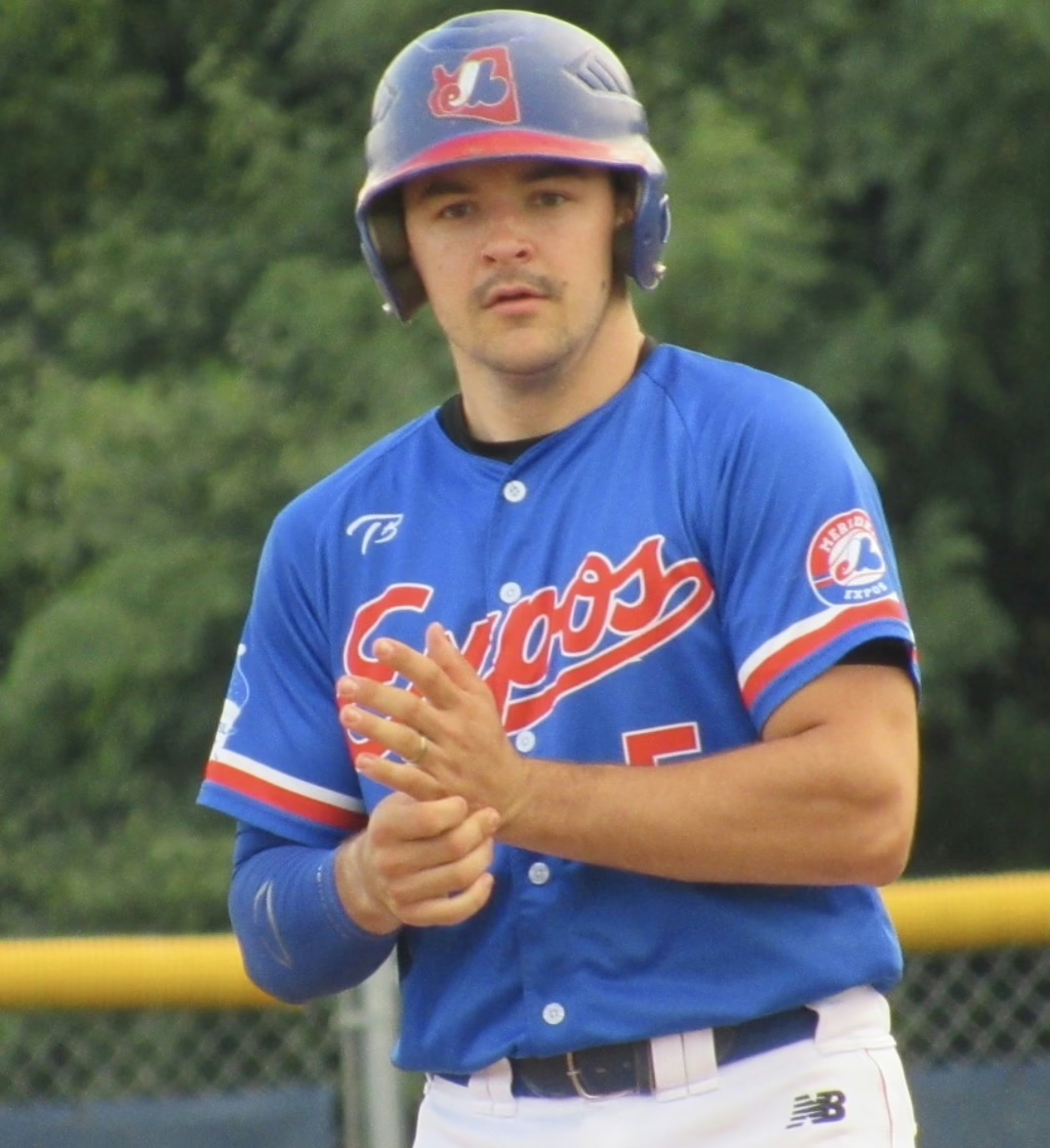
A descendent of Niemiec, A.J. Hendrickson, is Player-manager of the Record-Journal Expos in the Greater Hartford Twilight Baseball League. After ten years in the Twi-loop, Hendrickson still swings with the same grit of his forefathers.
Source
Obermeyer, Jeff. “Disposable Heroes: Returning World War II Veteran Al Niemiec Takes on Organized Baseball.” Baseball Research Journal, vol. 39, no. 1, Summer 2010, https://sabr.org/journal/article/disposable-heroes-returning-world-war-ii-veteran-al-niemiec-takes-on-organized-baseball/.


