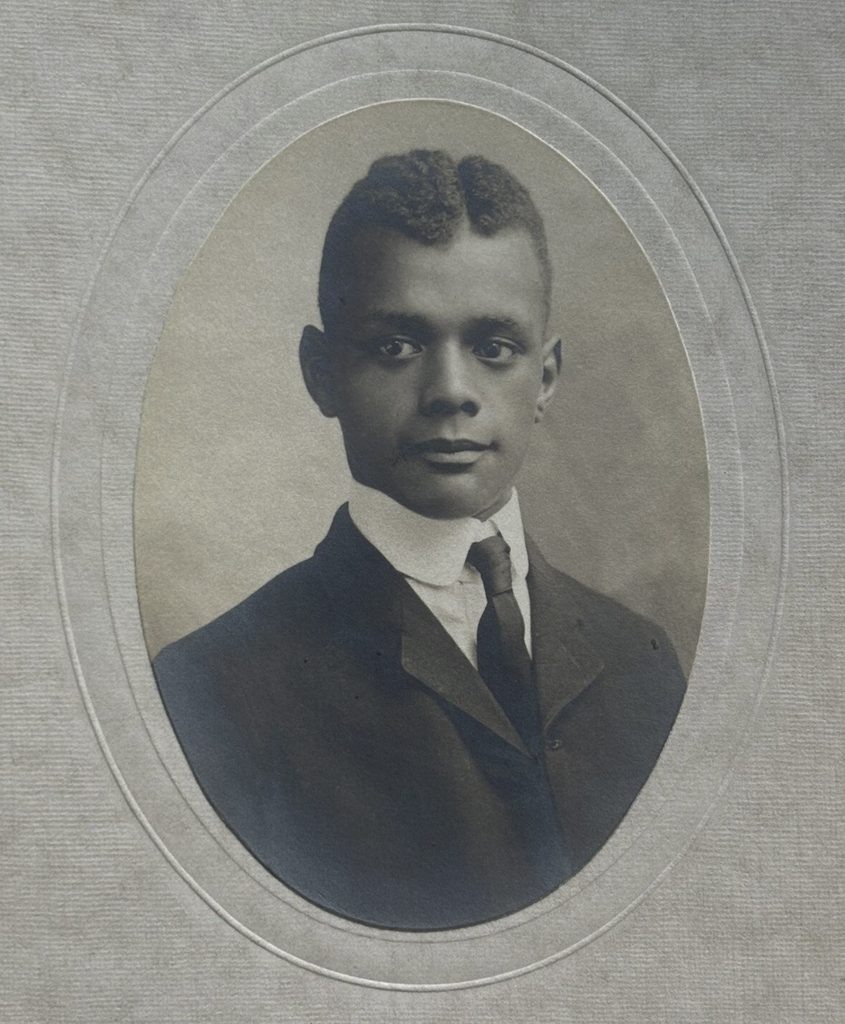
Charles “Charlie” “Carl” Babcock Earle
Born: March 31, 1884. Meriden, Connecticut.
Died: February 21, 1972. Fort Myers, Florida.
Baseball history in the little state of Connecticut goes deeper than most of us realize. Cities the size of Meriden, New Britain, and Ansonia once fielded professional teams. Popular independent clubs and high school nines drew major crowds as baseball’s popularity peaked during the Deadball Era (1900-1920).
Nearly every town and major business had an official team, but nowadays Deadball Era clubs and players are abstract references. We remember national heroes like Ty Cobb, Walter Johnson and the origins of Babe Ruth, but countless local names remain hidden; and since once-household names have vanished from public memory, it’s up to current generations to retell their stories.
One of these players is Charles Babcock Earle, an athletic prodigy in baseball and football at Meriden High School, Class of 1904. A pitcher and outfielder of rare skill, Earle was often the only black member of his team until adulthood. He became a known entity in New York and New Jersey baseball circles as a key player for the Brooklyn Royal Giants and the Grand Central Red Caps, but today, he is largely unknown to the public.
Luckily, newspaper clippings, photographs, and a page on Seamheads Negro Leagues Database recall Earle’s prodigious and lengthy baseball career.
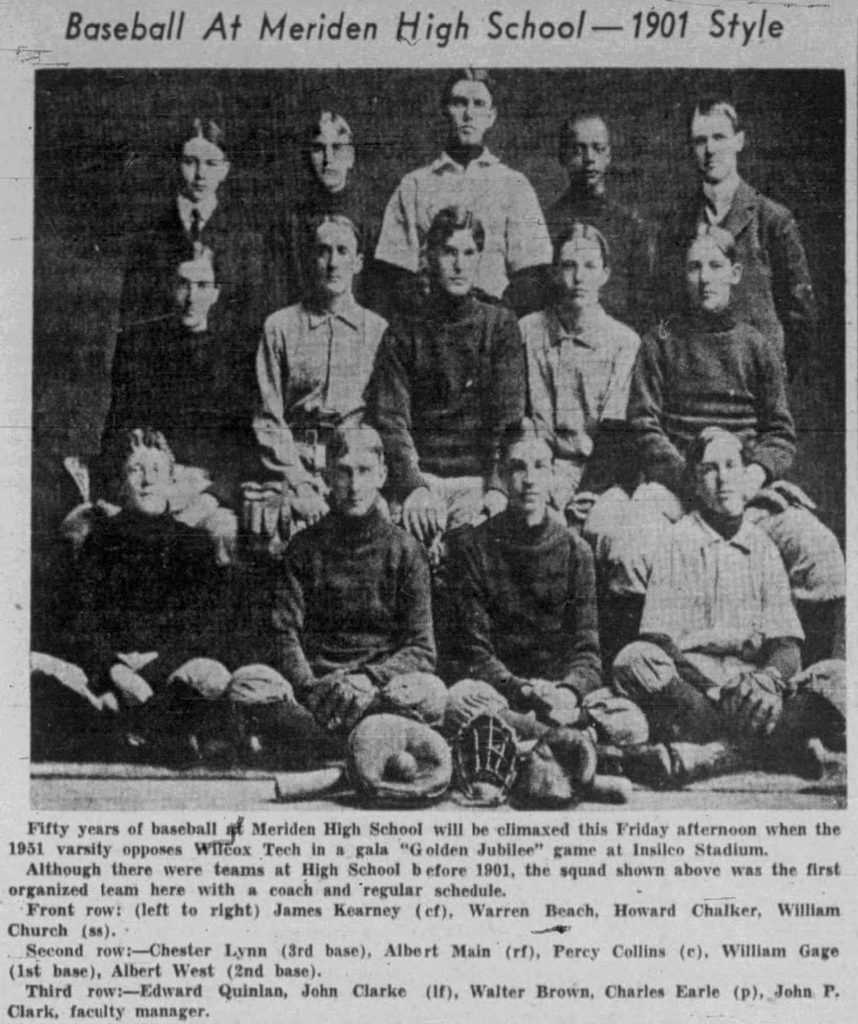
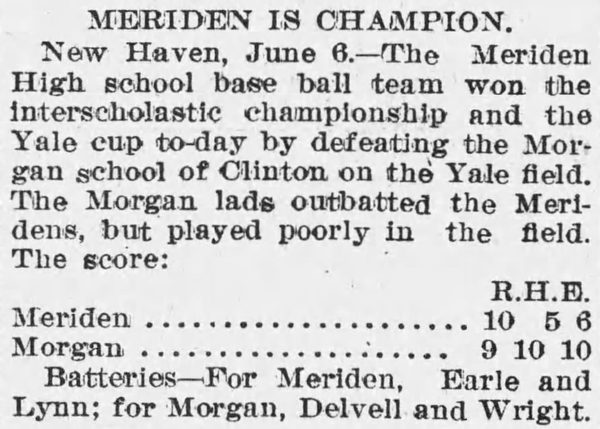
Charles Earle was born in Meriden on March 31, 1884. One of his former teachers claimed the Earle’s were, “a fine family” who attended the Congregationalist Church and that the school, “had never seen another athlete quite like him.” By his teenage years, Charlie (sometimes Carl) was already the best all-around athlete in Meriden.
He won the “far high jump” at a Y.M.C.A. track meet, clearing four feet, eight inches. In his free-time, Earle was a caddie at Meriden Golf Club, where he won several published matches on the course.
Local reporters lauded his rushing ability as a halfback on the gridiron, where his long runs decided football games. He played basketball with Jack Barry and Meriden often came out as victors. A two-way player on the baseball diamond, Earle looked ready for the next level, and it seems he chose baseball as a primary focus.
At eighteen, Earle had a dangerous bout of typhoid fever, but ill-health could not pull him away from the game. While making a full recovery in the hospital, he kept visitors busy with questions about his baseball team. He would go on to an illustrious high school career, leading Meriden to titles in baseball, basketball and football.
His teammates repeatedly carried him off the field after victories, and his classmates voted him best athlete and most popular student. On graduation night, Earle’s peers sang a chant in his honor, “First in football, first in baseball, first in the hearts of his classmates.”
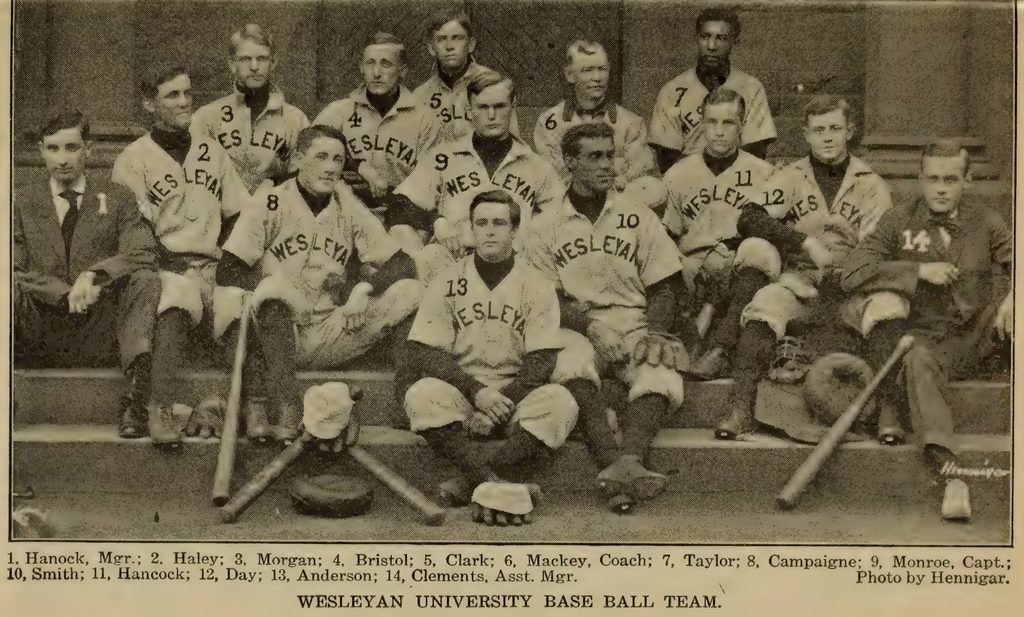
Then Earle briefly attended Wesleyan University in 1905, where his ability earned him a varsity spot. However his college days were cut short by a classic case of racial discrimination and exclusion. Southern schools on the spring training schedule refused to play against black players, and in turn, Earle decided to withdraw from school.
That same year, Princeton University refused to play against two other Wesleyan players, Thomas Taylor, Jr. and John Smith (pictured below). Through a university-led vote, Wesleyan indefinitely banned minorities from their athletic clubs.
Perhaps Earle would have been a college star, but he quickly found more baseball opportunities. He pitched multiple shutouts in Meriden’s 1905 City League with the Meriden Mohawks and was then recruited to an alternate version of professional baseball.
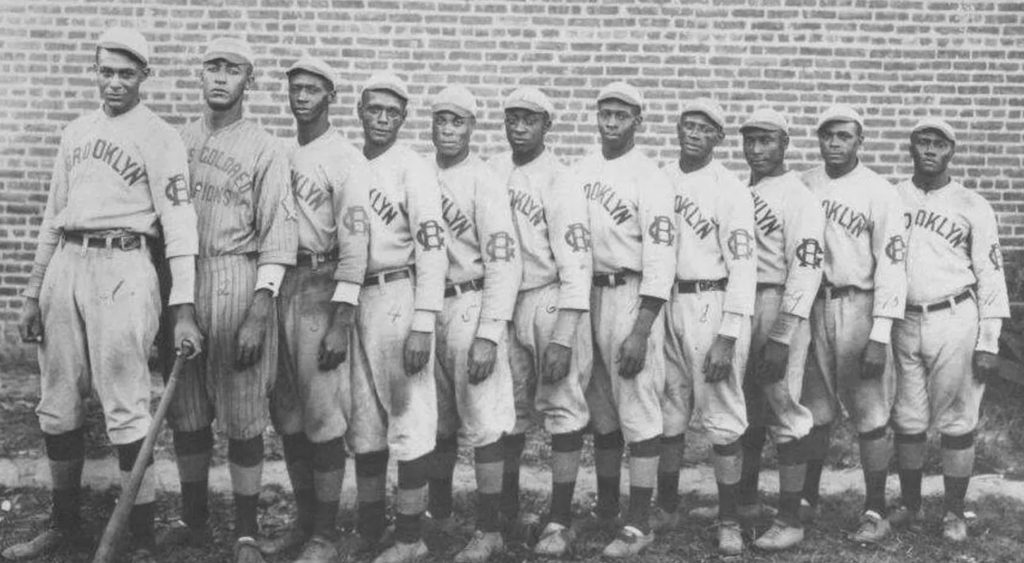
Earle began barnstorming with independent teams like the Philadelphia Quaker Giants and the Cuban Giants; clubs comprised of all Black and Latin American players. Within a few seasons, he had become captain of the Brooklyn Royal Giants. In 1909, Earle and the Royal Giants won what was reported as, “The championship of the colored professionals of New York.”
Sportswriters gleamed in their reports of Earle. He was a top pitcher for the Giants who could also swing a formidable bat. One newspaper declared him, “The Babe Ruth of the colored baseball world,” because he could pitch, hit, steal bases, and play any outfield position with great reliability.
Earle had a joyful homecoming to Meriden in July of 1909, when his Brooklyn Royal Giants beat the Meriden Independents 17–2 at Parker Field. He played center field and hurled the last two innings, striking out three and allowing one hit. In five at-bats he scored four runs, collected three hits, doubled, and stole two bases.
That weekend, Earle spent so much time shaking hands, Meriden’s Journal newspaper jokingly reported, “his arm was none the worse.” In the eighth inning, the game was halted and Earle was presented with an engraved sterling silver-handled umbrella.
He clearly had friends in Meriden, but he decided to take a job in New York City at Grand Central Station as a porter. There he joined the terminal’s ball club, Grand Central Red Caps, and eventually became player-manager.
On June 29, 1918, The Brooklyn Daily Times previewed “Earle’s Red Caps” at Ridgewood Grounds and called them, “one of the strongest traveling colored clubs.” The following year a Times Union box score listed “Earle’s Red Caps” as he played center field, went 3-for-4 with a run, a sacrifice, and a stolen base. For the Red Caps, he was the main attraction.
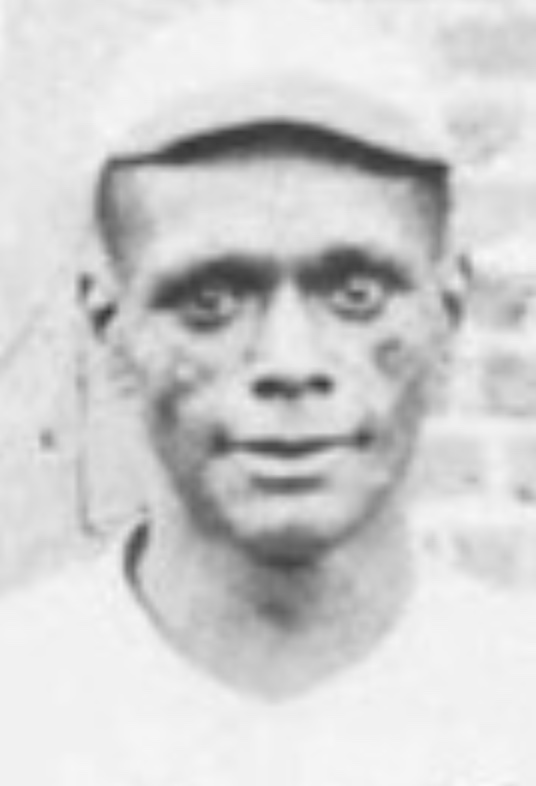
Earle went on to star for the Atlantic City Bacharach Giants and the McConnell Colored Giants. He was competing decades before the Negro National League was organized in 1920. Many of the best “colored clubs” traveled by train from city to city to earn pay from exhibition games and independent matchups.
It was unchartered territory for players of minority backgrounds, and Earle was one many important pioneers of the era. He held his own with established players like Louis Santop, Grant “Home Run” Johnson, and Lefty Harvey, who were also banned from white-organized baseball.
In the 1940s a Meriden journalist tracked Earle down at Grand Central Terminal, where the once-powerful athlete was still working as a porter. The writer found a soft-spoken, white-haired man of average height who still remembered Meriden fondly. When the paper published praise of his old exploits, Earle wrote back that the recognition, “Made my heart bubble over with joy.”
After his playing days he worked as a Red Cap porter at Grand Central Terminal in New York and later taught and coached at Johnson C. Smith University in Charlotte, North Carolina. Meriden never forgot the ability that first made him famous. Local writers into the 1940s insisted Earle would have been a big leaguer. Charles Earle died in Fort Myers, Florida, on February 21, 1972, but the memory of his greatness remains.
Charles Earle’s Wikipedia page: https://en.wikipedia.org/wiki/Charles_Earle
Works Cited
“At Athletic Meet.” Meriden Morning Record, Mar. 1904.
Baseball-Reference. “Charles Earle.” www.baseball-reference.com/register/player.fcgi?id=earle-000cha.
“Charles Earle Getting Better.” Meriden Daily Journal, 4 Oct. 1902.
“Charlie Earle’s Team at Reopening at Ridgewood.” Brooklyn Daily Times, 29 June 1918.
“City League Notes.” Record-Journal [Meriden], 1909.
“Cubans Announce Line-Up for Tomorrow’s Contest.” Newark Evening Star, 8 May 1914.
“High School Lost Game with Wesleyan.” Meriden Morning Record, 1905.
“Meriden High Team of ’03 Has Loomed Big in Baseball History.” Springfield Evening Union, 2 Nov. 1911, p. 6.
Seamheads Negro Leagues Database. “Charles Earle.” www.seamheads.com/NegroLgs/player.php?playerID=earle01cha.
Untitled recollection of Carl Earle. The Journal [Meriden], 1940–1946.